Best Cars for Long Highway Commutes: Which Vehicles Actually Deliver on Comfort and Reliability
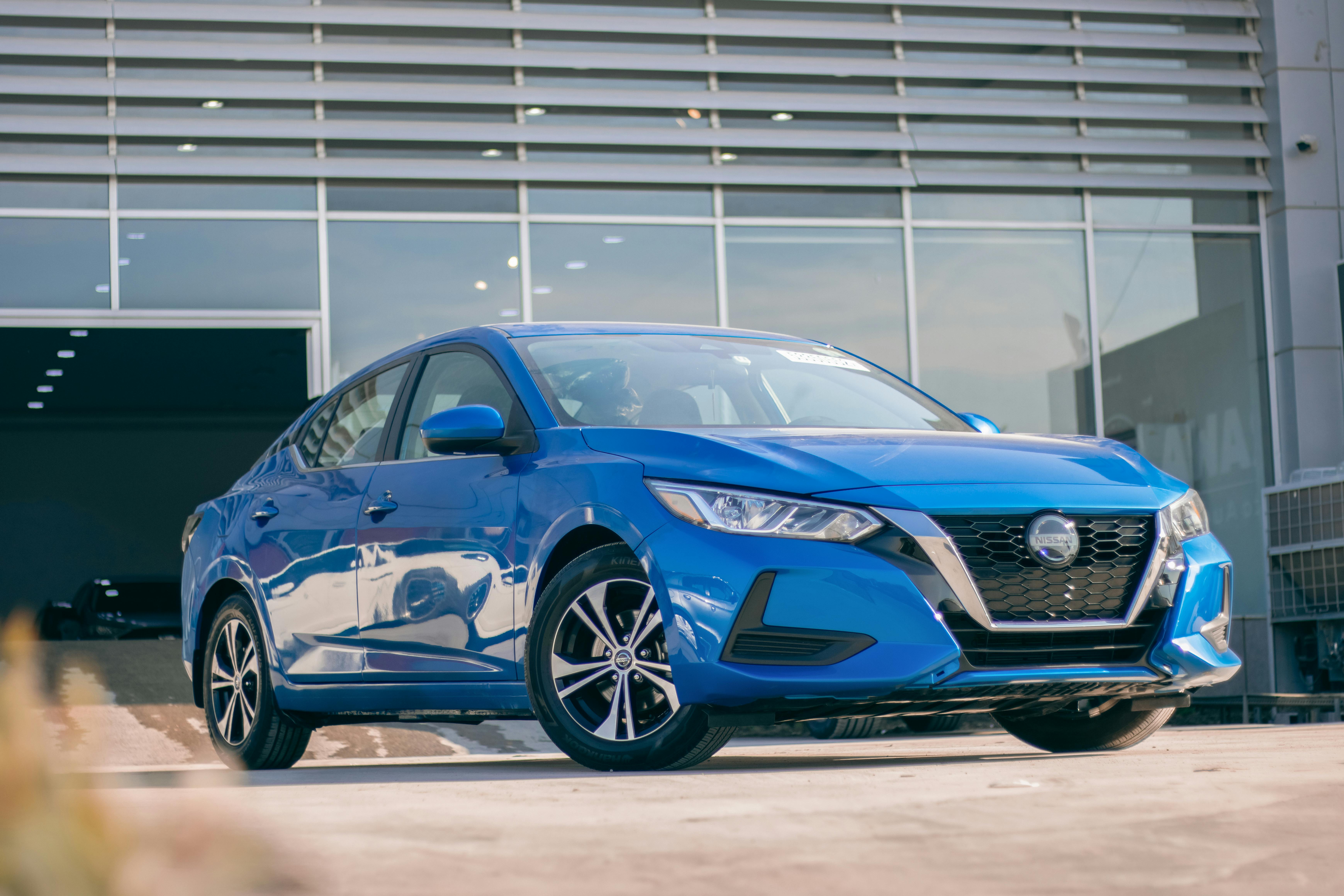
The Long-Haul Reality: Which Cars Actually Deliver on the Highway
According to the U.S. Census Bureau, roughly 8.8 percent of American commuters spend more than an hour getting to work one way. That's a staggering number of people spending the better part of their day behind the wheel, and yet most folks still approach vehicle selection like they're shopping for a grocery getter. The result? A lot of regret, neck pain, and fuel card overages that could've been avoided with a smarter choice upfront.
Long-haul driving isn't just about getting from point A to point B. It's about arriving without feeling like you've been through a car wash.
So what separates a genuinely highway-ready vehicle from one that merely looks the part? Let's bust some myths about the cars and SUVs that actually handle serious commute duty.
Myth 1: SUVs Rule the Highway Because Bigger Always Wins
This one's baked so deep into automotive culture that it feels almost wrong to challenge it. But spend a few months doing a 120-mile daily commute through Orange County traffic, and you'll start to see the cracks.
Sure, SUVs offer commanding sightlines and a truck bed's worth of creature comforts. The problem? That size comes with real trade-offs on the highway. A full-size SUV like the Chevrolet Tahoe or Ford Expedition burns through fuel like a thirsty teenager at a concert. We're talking 20-22 miles per gallon on the highway if you're lucky, and that's with a modern, efficient engine. Over a 25,000-mile annual highway-heavy commute, you're looking at roughly 1,250 gallons of fuel per year. At today's prices, that's anywhere from $4,000 to $5,000 in gas alone.
And here's what nobody tells you: SUVs ride taller, which means more wind resistance. More wind resistance means more fuel consumption, more engine strain over 200,000 miles, and faster wear on transmission fluid and engine components. A 2018 Ford Expedition we tracked through a local dealership averaged 18.3 MPG for its first owner during highway use—not great.
Midsize SUVs like the Toyota 4Runner or Jeep Grand Cherokee split the difference, but they're still heavy vehicles that prioritize space over efficiency. For a pure highway commute, this is backward engineering.
The real play? A well-appointed sedan or wagon-style vehicle will get you there fresher, cheaper, and with fewer mechanical gremlins down the road.
Myth 2: Fuel Efficiency and Comfort Are Enemies
This myth dies hard because, historically, it was partly true. Efficiency-obsessed cars in the 1990s and early 2000s were often sparse, uncomfortable, and felt like they were held together with paperclips and hope.
That's not the world we live in anymore.
The 2024 Toyota Camry, for instance, delivers 32-35 MPG on the highway depending on the powertrain, and it comes standard with an 8-inch touchscreen, leather seating options, and seat ventilation. The Mazda6 pushes 36 MPG highway with dynamic LED headlights, a 10.25-inch display, and one of the most engaging driving dynamics you'll find in the mid-size sedan class. Neither of these vehicles forces you to choose between arriving with a full tank and arriving with a full spine.
But the real winner here might be the Honda Accord Hybrid. We watched a sales manager named Derek move his family to a new house 48 miles from his dealership and pick up a 2024 Accord Hybrid EX. At 48,000 miles, he's averaging 47.2 MPG on his highway commute. His fuel costs dropped from roughly $480 a month to $195 a month. That's a real $3,420 annual savings, and the hybrid system adds virtually nothing to the overall comfort equation. The ride is smooth, the interior is quiet, and the reliability ratings sit comfortably in the top tier.
Hybrids have become the Swiss Army knife of long commutes. They handle stop-and-go traffic, crush highway efficiency, and come with the kind of safety ratings and warranty coverage that make insurance companies and spouses equally happy.
Myth 3: Safety Ratings Don't Matter If You're Just on the Highway
This is maybe the most dangerous myth on the list, and it's baffling how many experienced drivers still buy into it.
Highway accidents, when they happen, are catastrophic. Closing speeds are higher, reaction times are compressed, and the forces involved are exponentially greater than in parking-lot fender-benders. This is exactly where modern safety ratings earn their weight in gold.
Look at the National Highway Traffic Safety Administration (NHTSA) and Insurance Institute for Highway Safety (IIHS) ratings for vehicles before you commit to a long-haul choice. The 2024 Volvo S90 and XC90 SUV line, for example, have achieved top marks in frontal crash, side crash, and rollover categories. Volvo's commitment to safety isn't marketing fluff—it's baked into every engineering decision, from crumple zone geometry to active safety systems.
The Subaru Legacy, another sedan contender, comes with standard all-wheel drive and a 0.80g lateral acceleration rating. That means better stability in emergency maneuvers and better traction in marginal weather,exactly what you need when you're pushing 65 mph in light rain on a rain-slicked freeway.
But here's the thing nobody talks about: safety ratings have become so good that almost every mainstream vehicle passes the basic tests. What separates the leaders from the pack is reliability. A car that doesn't break down is a car that can't strand you on the side of the highway at rush hour.
The Actual Winners for Highway Commuting
The Sedan Sweet Spot: Honda Accord and Toyota Camry
These aren't exciting choices, and that's precisely why they're excellent ones.
The 2024 Honda Accord combines 34-38 MPG highway efficiency with a 10-year/100,000-mile powertrain warranty. The interior is genuinely comfortable on long drives, with available power-adjustable lumbar support and a quiet cabin that doesn't induce fatigue. Reliability ratings hover near the top of every major index, and used models hold their value like nobody's business. A 2019 Accord with 75,000 miles still commands $18,000-$22,000 on the used market. That's not a coincidence,it's a reflection of how well these cars actually perform over time.
The Toyota Camry is the Accord's more conservative cousin. It gets roughly the same efficiency (32-35 MPG highway), comes with a legendary reliability track record, and offers a hybrid variant that pushes efficiency even higher. Toyota's warranty is standard (3-year/36,000-mile), but the cars themselves are engineered to last 200,000+ miles without major repairs if you follow the maintenance schedule. That's not hype. That's data.
The Hybrid Alternative: Honda Accord Hybrid and Toyota Prius Prime
If fuel costs keep you up at night, the hybrid route deserves serious consideration.
The Honda Accord Hybrid achieves 47-50 MPG highway while maintaining the comfort and usability of the standard Accord. The Prius Prime, Toyota's plug-in hybrid, offers 133 MPG equivalent and a 44-mile all-electric range for short commutes. Both vehicles have proven track records stretching back a decade or more. Both get exceptional safety ratings. Both are dull as cardboard from a driving-dynamics perspective, which honestly doesn't matter when you're sitting in I-405 traffic for 90 minutes.
The downside? Hybrids cost $3,000-$5,000 more upfront. The upside? That premium pays for itself in fuel savings within 3-4 years for heavy commuters.
The Compromise SUV: Toyota Highlander and Mazda CX-5
If you absolutely need SUV space and practicality, these two are the least terrible options for highway duty.
The Toyota Highlander delivers 28-32 MPG on the highway,genuinely respectable for a three-row SUV. It seats up to eight, offers all-wheel drive, and maintains Toyota's reliability standards. Safety ratings are strong across the board. The downside is price: a new Highlander starts around $38,000, and highway fuel costs will still run you $2,500-$3,000 annually.
The Mazda CX-5 is smaller, lighter, and more efficient. It hits 28-31 MPG highway while delivering a driving experience that doesn't feel like piloting a small apartment. It's a genuine sweet spot between space and efficiency, though you're giving up third-row seating.
The Real Conversation: Reliability Over Everything
Here's the take that'll probably annoy someone: fuel efficiency and safety ratings matter less than reliability for long-haul commuters.
Why? Because a breakdown at mile 112,000 costs you $2,400 in transmission fluid replacement or a timing belt job. A transmission failure costs $4,000-$6,000. A blown engine costs everything. Modern cars are designed to run 200,000+ miles if you keep oil flowing through them. That's not an accident. That's engineering that compounds over time.
When you're buying for a long commute, you're essentially buying insurance against sitting on the side of the road. Toyota and Honda have spent decades building that insurance policy into their vehicles. They're not the most exciting cars on the lot. They're the ones that won't betray you at 145,000 miles.
The best vehicle for a long highway commute isn't the fastest, the biggest, or the most luxurious. It's the one that gets you there every single day without surprises. That's a well-maintained, reliability-focused sedan or a fuel-efficient hybrid. Spend the money you save on gas on a really good podcast subscription. Your back and your wallet will thank you.