Car Theft in America 2024: Budget-Smart Prevention Tech That Actually Works
Back in 1992, car thieves in America were stealing about 1.6 million vehicles per year. Then we got steering wheel locks, immobilizers, and GPS tracking, and the number dropped like a rock. Fast forward to 2023, and we're back up to nearly 1.2 million stolen vehicles annually—and it's not because thieves got smarter. It's because we got lazy, and the automotive industry hasn't kept pace with the problem.
The real kicker? You don't need to drop thousands on fancy security systems to protect your car. But you do need to understand what's actually happening out there and what actually works.
Why Are Cars Getting Stolen Again?
Okay, so here's the honest truth: newer cars are getting stolen at higher rates than older ones, and that seems backwards, right? The problem is that car theft has evolved. It's not some guy with a crowbar anymore. Modern thieves use relay attacks, signal boosters, and code-grabbing devices that cost maybe $200 on the dark web.
They're targeting keyless entry systems, which are standard on most 2015-and-newer models. A thief with a relay box can steal your car in under 60 seconds. They stand near your house, amplify your key fob's signal, and unlock your car without ever touching it. It's wild, honestly.
The automotive industry knew this was coming. They really did. But fixing it means recalls, software updates, and admitting a design flaw—which costs money. So instead, they've been slow-rolling improvements while thieves have been moving fast.
Which Cars Are Getting Stolen Most?
The Theft Hall of Shame
If you're thinking about buying used, pay attention here. The National Insurance Crime Bureau publishes theft data every year, and it's pretty consistent. Honda Civics (especially 1990-2000 models) are the most stolen vehicle in America. They've held that crown for years. Why? Parts are expensive, they're easy to steal, and the aftermarket for them is huge.
But the new car models getting stolen most are pickup trucks,F-150s, Silverados, Ram trucks. Thieves target them because the parts are valuable and trucks are everywhere. Then you've got your luxury sedans and SUVs: BMWs, Mercedes, Range Rovers, Audis. Why? Because they have high resale value and wealthy owners often have predictable routines.
Hyundais and Kias have become the new problem child in the automotive industry. A viral TikTok trend showed people how to steal certain 2015-2021 Hyundai and Kia models using just a USB cable and screwdriver. No joke. Hyundai had to issue a recall for software updates, but by then, the damage was done. Insurance rates for those vehicles jumped, theft complaints skyrocketed, and owners got angry.
My friend Derek bought a 2019 Kia Sportage for $18,900 two years ago. Within six months, it was stolen from his driveway in Newark. Took the cops three weeks to find it stripped for parts. He didn't have full coverage,only liability,so he ate the whole loss. That's the reality for a lot of people.
EVs Are a Different Story
Here's something that might surprise you: electric vehicles are being stolen at lower rates than gas cars. Not because they're harder to steal, but because the market for EV parts is still small. You can't just pull a Tesla battery and sell it on the corner. The infrastructure doesn't exist yet. As EV adoption grows and battery markets develop, this could change. But right now, thieves are chasing easier targets.
What Actually Works to Prevent Theft?
The Free and Cheap Stuff First
Let's be real: you don't need a $2,000 GPS tracker to protect your car. Some of the best prevention is just behavioral. Park in a garage when you can. If you can't, park under a light in a busy area. Lock your doors (seems obvious but people don't). Don't leave your keys on a nightstand near an open window or close to your front door.
And here's the thing nobody wants to hear: turn off keyless entry when you're home. I know, it's annoying. But if your car has that feature, you can usually disable it through the infotainment system. Takes 30 seconds, and it kills the relay attack vector entirely.
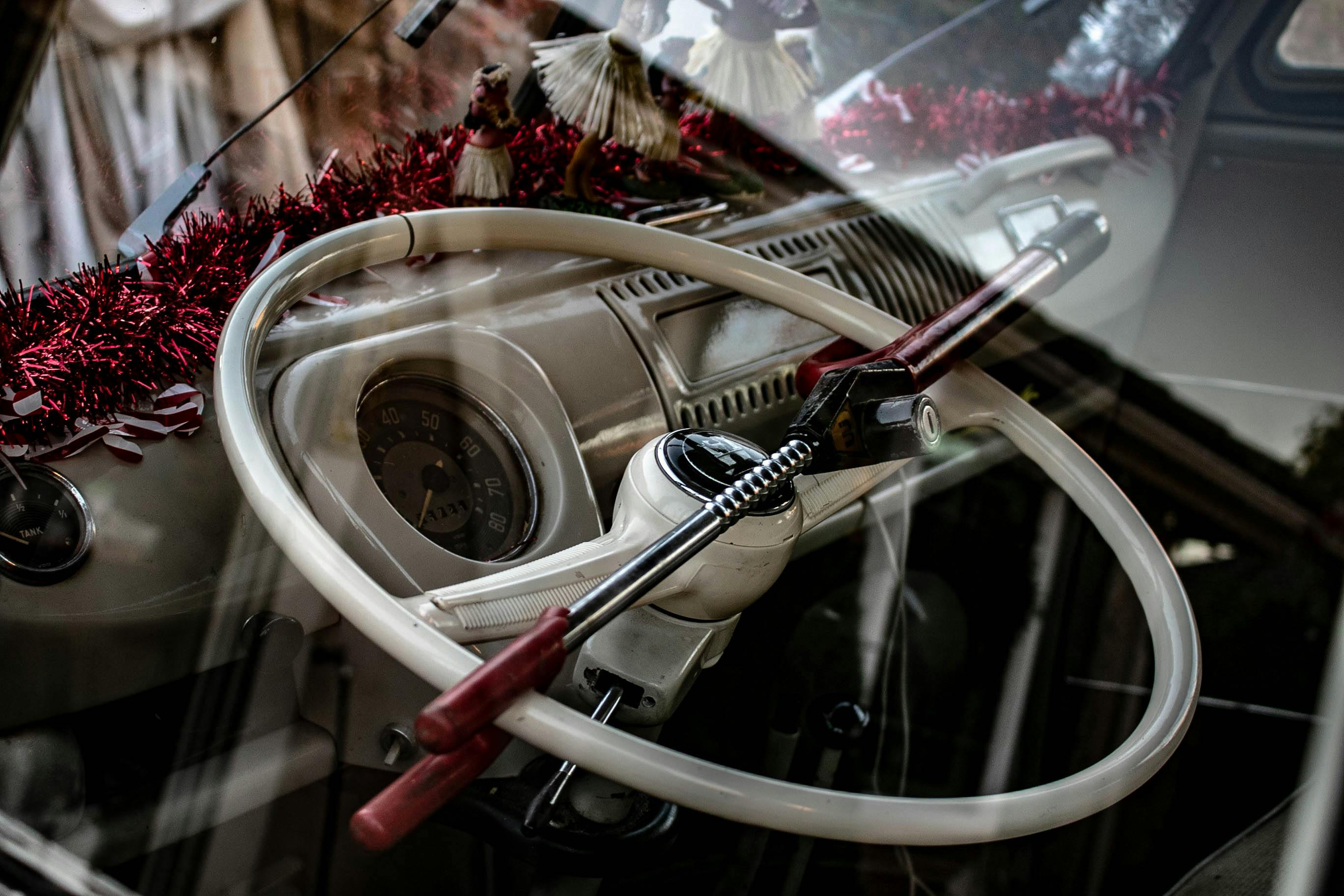
Get a steering wheel lock or a pedal lock. They cost $20 to $50, and while they won't stop a determined thief, they make your car less attractive than the one next to it. Thieves want easy targets. Make yourself a harder target, and they move on.
The Medium Investment: Aftermarket GPS and Alarms
If you've got a used car worth more than $10,000 or you're in a high-theft area, a hardwired GPS tracker makes sense. Brands like AirTag (Apple's, around $30) or Tile (also about $30) work in a pinch, but they rely on other people's devices to locate your car. A real GPS tracker like Tracki or LawMate costs $150 to $400 for the device and maybe $10 to $20 monthly for service. Is it worth it? Depends on your car's value and your insurance deductible.
Alarm systems with motion sensors and remote disabling run $300 to $800 installed. They won't stop a thief, but they alert you and your neighbors immediately. Some insurance companies give you a discount (usually 5-10%) if you install one, so check with yours before spending money.
The OEM Stuff: What the Factory Offers
Most new cars now come with immobilizers, which prevent the engine from starting without the correct key code. Good. But immobilizers alone aren't enough anymore. Thieves can clone key codes or use a relay attack to bypass the system.
Some manufacturers are adding biometric locks, geofencing, and encrypted keyless systems. Genesis, BMW, and Mercedes are pushing these features on their luxury models. But they're not standard on budget or mid-range vehicles yet. The automotive trends point toward more security as standard, but "toward" is slow.
Hyundai and Kia's software update that followed the TikTok scandal includes improved steering wheel locks and better immobilizer encryption. It's something. But owners had to bring cars in, and it took months. If you own one of these vehicles, make sure your software is current. Call your dealer and ask.
What Should You Actually Do Right Now?
Read Your Insurance Policy
First thing: check whether your policy covers theft and what your deductible is. A lot of people have liability-only coverage and don't realize it. If your car gets stolen, you're out the whole amount unless you financed it (then your lender forces you to have full coverage). If your car's worth less than $5,000 and your deductible is $500, the math might not work out to add theft coverage. But if your car's worth $15,000 or more, you need it.
Get the Right Security Mix
Don't spend $500 on a fancy alarm system if you can't afford to park in a garage. Prioritize based on your situation. High-theft area? Get a GPS tracker and an alarm. Nice car, safe neighborhood? A steering wheel lock and smart key management might be enough. Derek's situation was avoidable with full coverage, but even that won't give you peace of mind.
Stay Updated on Recalls and Software
Sign up for recall alerts from the NHTSA website. If your car gets flagged for a theft-related security issue, schedule the service immediately. Dealers have to do it free, and ignoring it puts your insurance coverage at risk if your car gets stolen.
Document Your Vehicle
Take photos of your VIN, license plate, and any unique features or damage. Keep these somewhere safe, not in your car. If your vehicle gets stolen, police need this information fast, and having it ready saves time. Some insurance companies ask for it when you report the theft anyway.
The Bigger Picture
The car market and the vehicle technology industry are at a weird crossroads. We've got better computers, better encryption, better tracking technology than ever before. But car theft keeps rising because implementation is spotty and inconsistent across manufacturers.
The automotive industry needs to treat theft prevention like they treat emissions or safety,as a regulatory requirement, not a luxury feature. Until then, you're on your own. And that means being smart with your money. Spend on what actually works in your specific situation, not on what sounds impressive.
Don't be like Derek. Get full coverage if you own anything worth more than $10,000. Use free prevention strategies consistently. And if you're buying a new car, ask the dealer directly about the security features,not what they're advertising, but what actually works against relay attacks and signal boosting.
The good news? You don't need to be paranoid. You just need to be smarter than the guy parked next to you.