How to Maximize Your Car's Resale Value: A Year-Round Maintenance Guide
Back in the 1950s, a new car lost about 50% of its value the moment you drove it off the lot. Today? You're looking at roughly 20% depreciation in year one, which sounds like progress until you realize you're still hemorrhaging thousands of dollars. But here's the thing: what happens between month one and the day you sell is entirely under your control. The difference between a car that fetches $12,000 at trade-in and one that gets you $18,000 comes down to one word: maintenance. Smart maintenance, strategic care, and a few habits that most owners just don't bother with.
If you're planning to sell or trade in your vehicle sometime in the next few years, you're basically in a race against depreciation. The good news is you can win that race, or at least come in a lot closer than your neighbors.
Track Every Service Like Your Paycheck Depends On It
Let's start with the unsexy but absolutely critical foundation: keeping meticulous records. Not just keeping them. Organizing them. Backing them up. Actually showing them to buyers.
A 2019 Honda Civic with 89,000 miles sold by a woman named Sarah in Boston last spring for $14,200. A similar model with the same mileage, no service records, went for $11,800 three weeks later. That $2,400 gap came down to a single binder full of receipts from her local shop. Oil changes every 5,000 miles. Brake fluid flushes. Transmission servicing. Wheel alignment. Nothing fancy. Just evidence that she'd given a damn.
Buyers want proof. Dealers want proof. Insurance companies actually care about proof too, because a well-maintained car is statistically less likely to strand you on the highway at 2 a.m., which impacts your claim history and your rates over time. Start a folder right now, either physical or digital, and photograph every receipt. Write down the date, mileage, shop name, and work performed. When you go to sell, this documentation becomes a legitimacy badge that lets you command top dollar.
Protect the Paint and Body (Because Salt and Parking Lots Are Real)
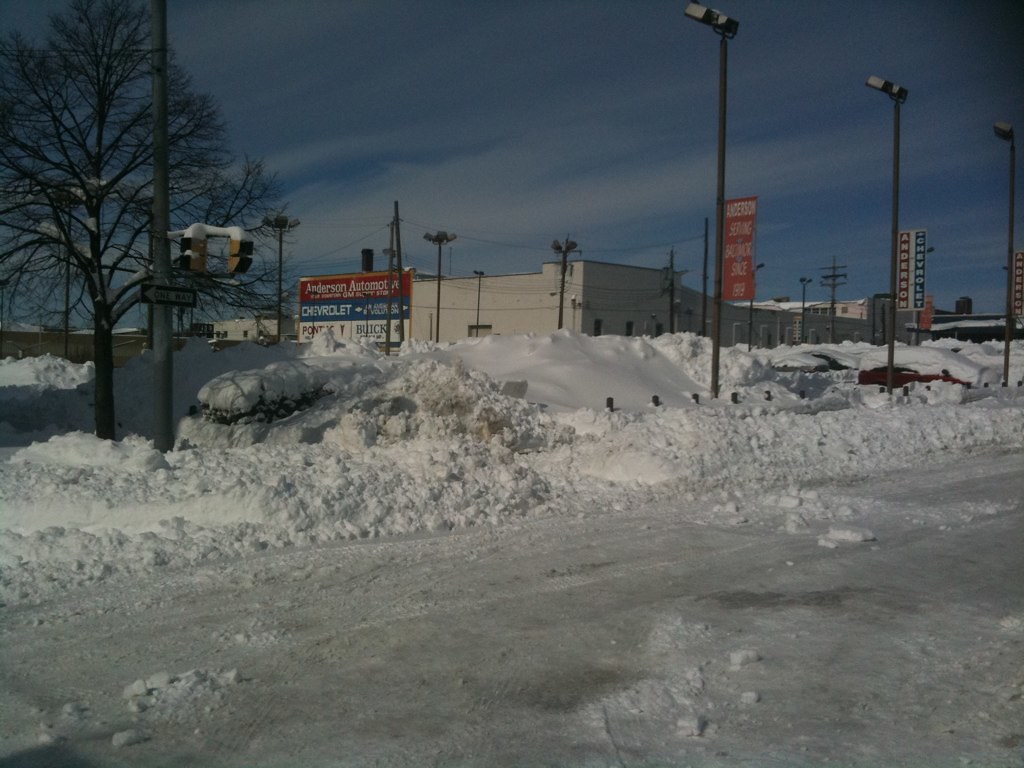
If you live anywhere in the Northeast, you already know this: winter road salt is your car's sworn enemy. It attacks the undercarriage first, working its way into hidden crevices where rust starts quietly multiplying. By the time you see orange spots on the wheel wells, the damage is already deep.
Here's what separates a smart owner from the rest: preemptive underbody protection. Before the first heavy snow, get an undercarriage wash or rust-preventative spray applied. Actually — scratch that, better to get both. The wash clears out existing salt and debris, and the spray creates a protective barrier. Cost? Around $200 to $400 depending on your region and the shop. What's the resale impact? A rust-free 2019 sedan with clean undercarriage will outsell a surface-clean version with underlying corrosion by hundreds, sometimes thousands.
Then there's the paint itself. Parking lot dings, tree sap, brake dust accumulation — these aren't just cosmetic issues. Buyers see a scratched or oxidized paint finish and immediately assume neglect across the board. That's unfair, but it's human psychology. Apply a ceramic coating or quality wax every six months. Wash the car every two weeks during winter months. And please, invest in a car cover or garage space if you can. A vehicle that's spent four winters outside looks dramatically different from one that's been sheltered.
Stay On Top of Warranty Coverage and Extended Protection
The original manufacturer warranty is typically three years or 36,000 miles. But when a buyer looks at a used car, they're thinking about their future expenses. What happens at year four? What if the transmission starts slipping at 65,000 miles?
If your car's still under factory warranty or you've purchased an extended car warranty, that's a huge selling point. Buyers will pay a premium for the safety net. Document the warranty terms clearly, and make sure you haven't voided it through neglect or off-brand parts (which, honestly, you shouldn't be using anyway). If your warranty's about to expire, consider whether extending it makes financial sense for your timeline. A $1,500 extended warranty that gets you $3,000 more at resale is a math problem that solves itself.
And here's something dealers and private sellers don't always talk about: your car insurance records matter too. Drivers who file frequent claims are often seen as riskier owners, and that perception can trickle into resale negotiations. Keep claim history clean and low-cost, and you've got one fewer red flag for a buyer's inspection.
Master the Seasonal Driving Habits That Preserve Mechanical Health
Seasonal changes demand seasonal adjustments. Winter requires different driving , gentler acceleration, extended warm-up time, avoiding puddles that might hide potholes or debris. Spring and fall are ideal times for fluid checks and replacements before the next season hits hard.
Avoid short trips in cold weather when possible. Your engine needs time to reach operating temperature, and repeated cold starts accelerate wear on battery and starter components. In summer, don't ignore tire pressure monitoring. Heat expands tire pressure, and overinflated tires wear faster in the center, creating uneven tread that immediately signals poor maintenance to any used car inspector.
Long drives in summer heat? Air conditioning works harder, so make sure your refrigerant levels are good. Winter trips on salted roads? Rinse the undercarriage afterward. These aren't complicated driving tips, but they're the ones most owners skip.
The Interior Matters More Than You Think
Dashboard cracks, stained upholstery, torn seat covers, and sticky door handles send a clear message to buyers: this car wasn't cared for. And if the inside was neglected, what about the engine?
Vacuum and wipe down your interior monthly. Use leather conditioner if you've got leather seats. Fix small issues before they become big ones. A cup holder that's cracked? Replace it for $30 now rather than let it become a sales negotiation point later. Seats stained? Professional detailing runs $150 to $300 and can add $800 to $1,200 in perceived value.
Keep the cabin smelling fresh but neutral. Personal air fresheners are great for you but off-putting to buyers who imagine their own scent instead. And please, keep it smoke-free. Smoke smell tanks resale value by hundreds.
Get Pre-Sale Inspection Done by a Third Party
Right before you list the car for sale, invest in an independent pre-purchase inspection at a trusted local shop. Spend $150 to $250 now to catch issues a buyer's inspector will definitely find anyway. Fix the small stuff preemptively. This isn't about hiding problems, it's about showing up prepared and honest.
Buyers and dealers respect transparency, and a report showing "all routine maintenance current, battery at 80% health, brakes have 40% pad remaining" gives them confidence to offer closer to asking price.
The resale value race isn't won in a single season. It's won over years of consistent, intelligent care. Start now, keep meticulous records, protect the paint and undercarriage, maintain warranty coverage, drive seasonally smart, keep the interior pristine, and get ahead of problems. Do that, and when you're ready to sell or trade in, you won't be the person leaving money on the table.
That's how you win.