How Top BDC Teams Use Messaging to Crush No-Shows (And Protect Compliance)
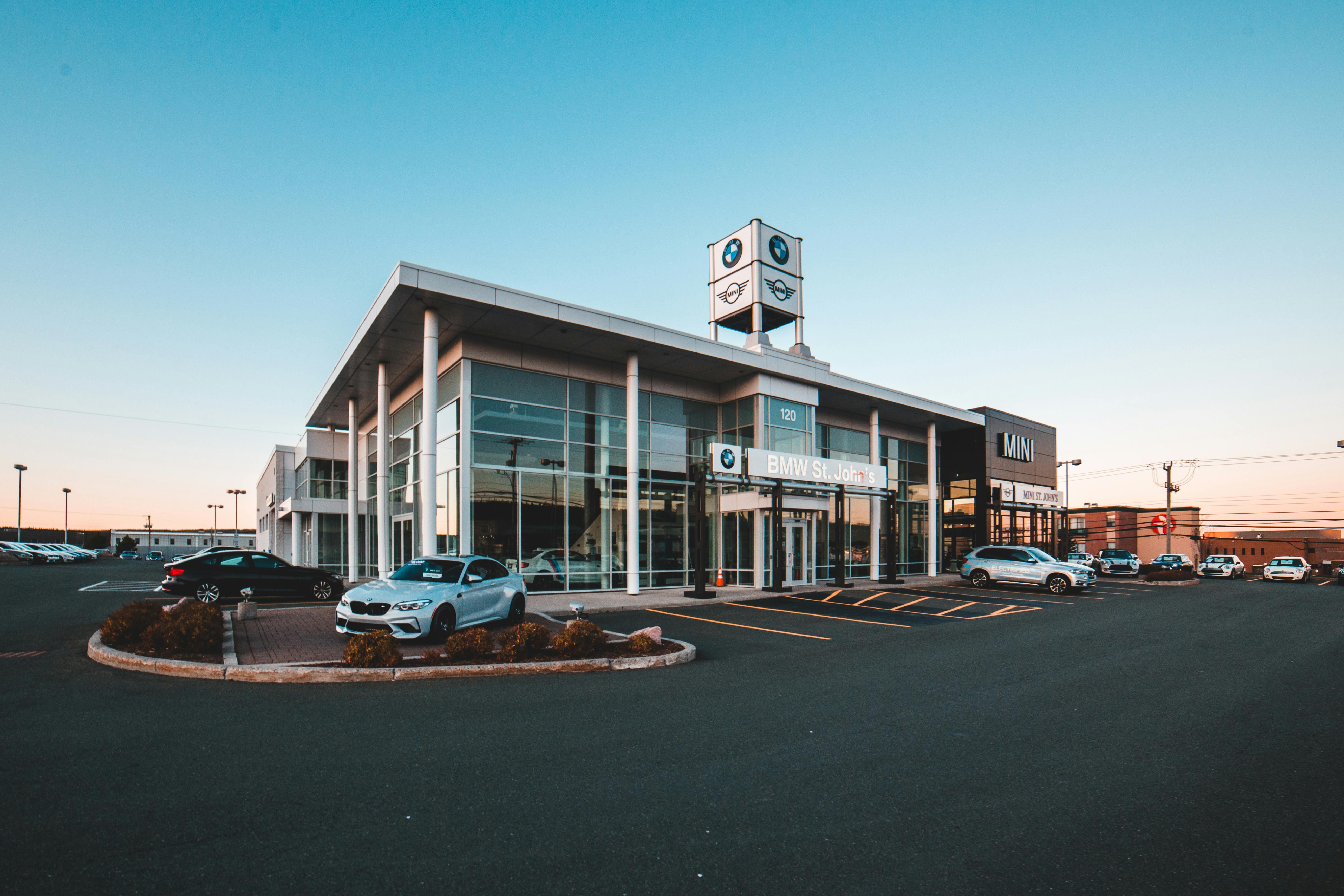
According to recent dealer surveys, the average BDC team loses 15-20% of scheduled appointments before the customer ever walks through the door. That's not a show rate problem. That's money left on the pavement.
I spent five years watching this happen at my last dealer group before I figured out why. The BDC was scheduling appointments, sure, but they weren't staying connected to the customer between the booking call and the actual visit. No reminders. No confirmation. No way to catch a cancellation before the service advisor blocked out an hour on the schedule. The result? Dead slots, frustrated advisors, and customers who'd already bought from the dealer down the road.
The fix wasn't rocket science, but it required discipline, the right tools, and frankly, a willingness to change how we thought about the appointment itself.
Myth #1: Text Reminders Are Enough
Wrong. A single text reminder the day before an appointment might bump your show rate by 3-5%. That's not nothing, but it's not the 25-30% improvement I've seen teams achieve. Here's what actually matters.
The best BDC teams I've worked with send multiple touches across different intervals, not just one reminder. They text 48 hours out, then again 24 hours out, then a final confirmation 2 hours before the appointment. Each message serves a different purpose.
The first one confirms the appointment and gives the customer a chance to reschedule if something's changed. The second one reminds them and includes practical details—parking info, what to bring, what they can expect during the visit. The third one is a quick "See you soon" that catches the customer in the moment when they're actually planning their day.
And here's the thing nobody wants to admit: people don't read long messages. One text should be a single paragraph, max. If your BDC team is sending walls of text, compliance gets fuzzy fast. You're also drowning the actual appointment details in noise, which defeats the purpose.
I'm going to say something that'll upset some dealers: if you're not getting explicit opt-in consent before you text a customer, you're exposed. Seriously. Every text your BDC sends is a potential TCPA violation if the customer didn't agree to SMS contact. I've seen a dealer group in Massachusetts get hit with $8,000 in fines because their BDC was texting customers who'd only given verbal consent over the phone. Document it. Every time. Have your BDC record the opt-in in your CRM notes with a timestamp.
Myth #2: One Channel Is Enough
This one kills me because it's so backward.
Your customer might ignore texts but check their email religiously. Or vice versa. The top-performing BDC teams I know use SMS for time-sensitive reminders (the 2-hour confirmation, the "we're running 10 minutes late" notification) and email for the detailed information (directions, what documents to bring, financing options available). SMS gets opened within 3-5 minutes. Email gets opened but maybe not for hours.
Some dealers are now layering in Facebook Messenger and WhatsApp too, especially if they're selling used vehicles in markets where younger buyers dominate. The compliance risk is higher when you're managing multiple channels, so this is where having a unified messaging platform matters. Tools like Dealer1 Solutions give you a single conversation history across channels, which means your BDC team isn't sending duplicate reminders or missing follow-ups because they forgot which channel they used last time.
But here's the reality: more channels doesn't mean better if your team isn't trained to use them consistently. I'd rather see a dealer nail SMS and email than botch a half-hearted attempt at five channels at once.
Myth #3: Appointment Show Rate Is Just a BDC Number
No. It's a company-wide accountability issue.
I learned this the hard way when I was parts manager at a dealer group in Connecticut. The BDC team had improved their messaging discipline and show rates were climbing. But service advisors were still pulling inventory for appointments that fell through because they didn't know an RO had been cancelled. We're now holding two extra sets of parts in reconditioning, aging inventory, and tying up cash for no reason.
The best dealerships I've seen treat the appointment booking as the start of a workflow, not the end. The BDC confirms. The service advisor gets notified immediately. The parts team sees the RO and can pull inventory with confidence. The delivery scheduling gets updated. Loaner vehicles get allocated. Everything cascades from that single moment of confirmation.
And when a customer confirms they're coming? Your whole dealership should know it.
This is exactly the kind of workflow Dealer1 Solutions was built to handle. When your BDC confirms an appointment through the messaging tool, the entire team sees it in real time. Service advisors aren't flying blind. Parts managers can plan reconditioning workflow. You're not stuck managing appointment status across three different systems.
Myth #4: Compliance Is a Headache You Can Ignore
Listen. I'm not a lawyer. But I've sat through enough compliance training to know that BDC messaging is a minefield if you're not careful.
Text message marketing is regulated under the Telephone Consumer Protection Act. Email marketing falls under CAN-SPAM. Some states have additional rules about dealer communication. If your BDC is sending messages without documented consent, without clear opt-out instructions, or without respecting quiet hours (no texts before 8 AM or after 9 PM), you're exposed.
Every message should include a way for the customer to opt out. Usually it's something like "Reply STOP to unsubscribe." Sounds simple. But if your BDC team is using personal cell phones or an old email system without a compliance backend, you've got no audit trail. You can't prove you sent the opt-out option. You can't show a judge that the customer gave consent.
And here's what keeps me up at night: one customer complaint can trigger a regulatory investigation that costs you tens of thousands in legal fees and potential fines. That's before you're even found liable.
The dealerships that handle this well have a system. They use a compliant messaging platform. They train their BDC teams quarterly. They audit their message templates. They document everything. It's boring, but it works.
What Actually Moves the Needle
Personalization. Specificity. Timeliness.
A customer who scheduled a used car appointment wants to know if that 2019 Honda CR-V is still available and what they'll be paying. Your BDC message should reference the vehicle, the price, and maybe even a link to the market insights showing what similar vehicles are selling for in your region. That builds confidence. It reduces cancellations because the customer feels like they've already invested mentally.
A customer coming in for service wants to know how long the job takes and what it'll cost. If you're doing a $2,200 brake and rotor job on a 2016 Jeep Wrangler at 87,000 miles, tell them upfront. No surprises. No cancellations because they got sticker shock.
Timing matters too. Don't send your reminder at 9 PM when the customer is winding down. Send it at 7 AM when they're planning their day, or 5 PM when they're thinking about tomorrow.
And when a customer doesn't respond to your confirmation message? That's a flag. Your BDC should follow up with a phone call. No games. Just "We've got you down for 2 PM tomorrow. Can I confirm you're still coming?" Half the time, you'll catch a cancellation before it costs you a dead slot.
The dealers winning at show rates aren't doing anything magical. They're just treating the appointment reminder as the beginning of customer service, not an afterthought.