The Dealership Facility Image Program Rollout Checklist That Actually Works
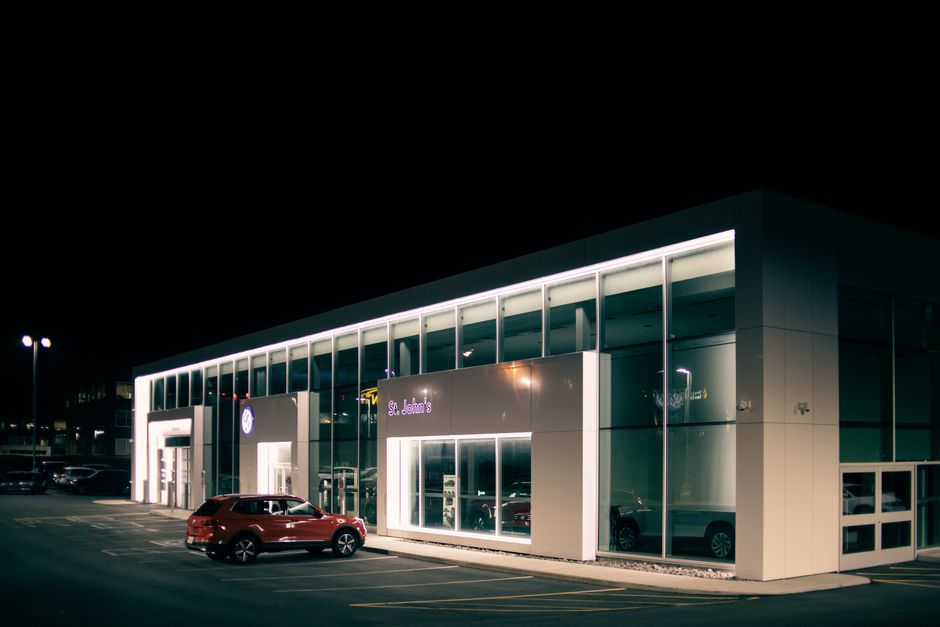
The Dealership Facility Image Program: Why Most Rollouts Fail (And How to Fix It)
How many times have you walked into a dealership where the showroom looks pristine but the service waiting area feels like it hasn't been updated since 2009? You're not alone. Most facility image programs fail not because dealers lack vision or budget, but because they lack a structured rollout plan. And that's exactly what this post is going to fix.
A facility image program isn't just about slapping a fresh coat of paint on the showroom. It's a coordinated overhaul of how your dealership presents itself to customers across every single touchpoint, from the moment they drive up to the lot to when they're waiting for their vehicle in the service lounge. When done right, it increases customer perception of value, justifies higher pricing on used inventory, and makes recruitment easier. When done poorly, it becomes a half-baked project that drains budget, frustrates staff, and looks worse than if you'd done nothing at all.
Here's the checklist that actually works.
1. Start with an Honest Facility Audit (Before You Spend a Dollar)
Walk through your dealership like a customer, not a manager. Better yet, bring in someone from outside the organization to do it for you. This isn't about being harsh on your team. It's about getting objective data on what's actually broken.
Document everything. Take photographs of every area: service bays, customer lounge, showroom, restrooms, lot signage, the appraisal office, detail bay, parts department. Make notes on lighting quality, wall condition, flooring wear, furniture condition, signage legibility, and overall cleanliness. Ask yourself hard questions. Are the customer lounge chairs from 2010? Is the showroom lighting creating shadows that hide the cars? Are your lot lights working, or are half of them burned out? Does the service bay look like a professional operation or a shade-tree garage?
The goal here is to create a baseline. You can't fix what you haven't documented. Most dealerships skip this step and jump straight to Pinterest, which is exactly why they end up with a $40,000 redesign that doesn't address the real problems.
2. Define Your Budget and Phasing Strategy
Facility upgrades happen in phases, not all at once. The dealers who try to do everything simultaneously end up disrupting operations, blowing timelines, and burning out their teams. Instead, prioritize based on customer impact and operational necessity.
Typically, a smart phasing strategy looks like this: Phase One (customer-facing areas, months 1-3): showroom, service lounge, restrooms, and lot signage. Phase Two (operational areas, months 4-6): service bays, detail bay, parts department. Phase Three (finishing touches, months 7-9): landscaping, lot lighting, secondary signage, and amenity upgrades.
Get real numbers on each phase before you commit. A typical showroom refresh (flooring, paint, lighting, new furniture) runs $15,000 to $35,000 depending on square footage. A service lounge overhaul (new seating, TV refresh, coffee station, flooring, paint) typically runs $8,000 to $18,000. Service bay modernization (epoxy flooring, LED lighting, wall repair, new equipment staging) can be $25,000 to $60,000. Build contingency into every phase. You will find problems you didn't see in the audit.
3. Nail Down Your Facility Design and Brand Standards
This is where a lot of programs derail. Without clear design direction, you end up with mismatched furniture, conflicting color palettes, and decisions that get made in a vacuum by different people on different days.
Work with a designer (even a freelancer, not necessarily a high-end firm) to create a brand standard document that covers color palette, flooring types, furniture style, lighting specifications, signage standards, and layout principles. This document becomes your decision filter for every purchase and every design choice going forward. When someone asks, "Should we put recessed lighting or track lighting in the showroom?", you have an answer based on your standard, not on someone's gut feeling in a meeting.
Include accessibility standards in this document from day one. ADA compliance isn't optional, and it's way cheaper to build it into your design than to retrofit it later. Document doorway widths, ramp angles, restroom grab bar specifications, parking space dimensions, and seating accessibility requirements. If you're upgrading your service lounge, make sure the customer lounge itself can accommodate wheelchairs, has accessible parking nearby, and that your restroom meets current ADA codes.
4. Create a Detailed Project Timeline with Realistic Milestones
Here's a strong opinion: if your facility image rollout doesn't have a documented timeline with weekly check-ins, it will slip. Every single time.
Build a master timeline that covers design approval (week 1-2), contractor bidding (week 2-3), material ordering (week 3-4), pre-construction planning (week 4-5), and actual work (week 6+). Assign a single person at your dealership to own the project. This is non-negotiable. That person should spend 10-15 hours per week coordinating, checking in with contractors, reviewing work, and managing any issues that pop up.
Schedule walkthroughs at specific milestones. After the showroom floor is stripped but before new material goes down, walk it. After painting is done but before furniture arrives, walk it. These checkpoints prevent the nightmare of discovering halfway through the service bay epoxy that nobody ordered the right color or that you're not happy with how it's looking.
5. Plan Your Signage and Wayfinding Overhaul
Dealership signage is probably the most overlooked element of a facility image program. Old lot signs, faded building signage, and confusing interior wayfinding tank customer perception instantly.
Audit every sign on your property. Exterior lot signage, directional signage for the service drive, interior wayfinding (where are the restrooms, where is the parts counter), service bay signage, and promotional signage. Replace or refresh any sign that's faded, damaged, or older than five years. Consider digital signage in high-traffic areas like the service lounge, but only if you have a plan to keep it current. A broken digital sign is worse than no sign at all.
Make sure your signage aligns with your brand standards document. Font consistency, color consistency, and messaging consistency matter more than you'd think.
6. Coordinate Staffing and Training Around the Rollout
Your team needs to understand what's happening and why. When a facility program rolls out without proper communication, staff feels disrupted, and disrupted staff doesn't take pride in maintaining the new space.
Hold a kickoff meeting with the entire team. Show them the before photos, the design plan, the timeline, and explain how the upgraded facility benefits them directly (better work environment, easier to impress customers, stronger CSI scores, better recruitment). When the work starts, brief your team daily on what's happening that day and how it might affect their workflow.
7. Track Progress and Manage Contingencies
The best-laid plans hit snags. A contractor misses a deadline. A supplier delays material. You discover water damage in the service bay during demolition. These things happen.
Build a weekly status update process. Document what was completed, what's on track, what's delayed, and what decisions need to be made. This is exactly the kind of workflow a proper operations platform helps with, keeping stakeholders aligned on progress and issues without needing to chase people down for updates.
Allocate a 10-15% contingency budget beyond your base project cost. If you don't use it, great. If you do, you're not scrambling for approval on an unexpected $3,200 service bay floor repair.
8. Document the Final State and Plan Ongoing Maintenance
When the last contractor leaves and the ribbon is cut, document what you just built. Take high-quality photos of every area. Save all paint color codes, furniture specifications, flooring product information, and signage designs in one central location.
Create a maintenance schedule. Service lounge seating gets professional cleaning quarterly. Showroom windows get cleaned monthly. Lot lights get inspected every quarter. Service bay epoxy gets a deep clean semi-annually. The beautiful new facility you just built will look like garbage in 18 months if you don't maintain it.
Your Rollout Starts Now
A facility image program that works requires honesty about your starting point, clear design direction, realistic phasing, relentless project management, and a commitment to maintenance. It's not glamorous work. But dealers who execute this checklist typically see measurable improvements in customer perception scores, easier inventory turns on used vehicles, and a team that actually wants to work in the space.
Start with the audit this week. Everything else flows from there.
Ready to streamline your program rollout?
If you're coordinating a facility image program, you're juggling timelines, contractor communication, design approvals, and progress tracking. A dedicated operations platform that keeps all stakeholders aligned, documents decisions, and tracks milestones can be the difference between a program that slips and one that actually hits target. That's what tools like Dealer1 Solutions are built for—giving you a single source of truth for project progress, asset documentation, and team coordination.
Why the checklist works
And here's the thing: this isn't rocket science. You're not inventing a new process. You're following a proven framework that top-performing dealerships have used for years. The dealers that fail are the ones who skip steps because they think they don't apply, or who treat a facility program like it's just a painting project. It's not. It's a comprehensive business operation, and it deserves to be managed like one.