The Hidden Cost of Fragmented Dispatch
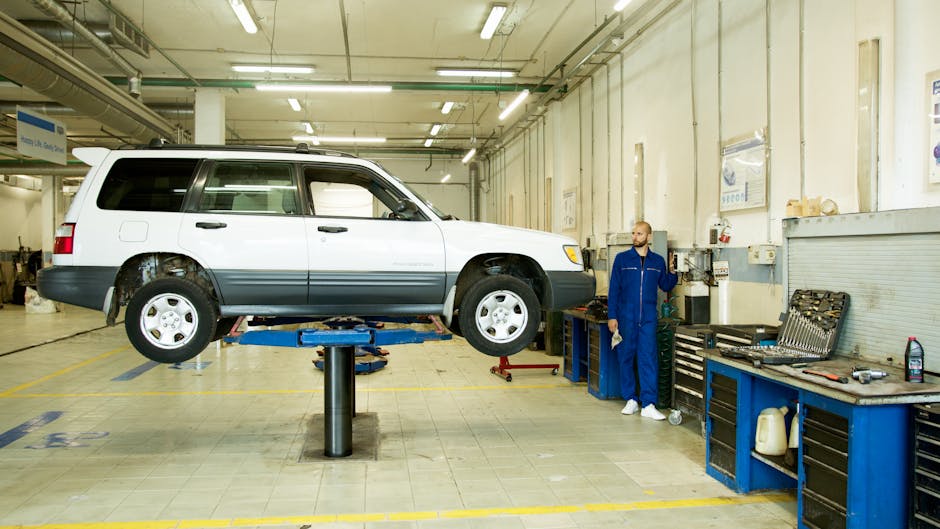
Imagine it's 8 a.m. on a Tuesday morning in your service drive. Your advisors are checking voicemail. Your techs are waiting for work assignments scribbled on a whiteboard that got updated twice already. A customer calls in wanting a quick oil change before their commute, but you can't tell them when they'll be done. Another customer's multi-point inspection results are stuck in an email that nobody's read yet. Your service director is on the phone trying to figure out which vehicle is actually ready for pickup.
Sound familiar?
The Hidden Cost of Fragmented Dispatch
Most dealerships don't realize how much revenue they're leaving on the table because of disconnected service dispatch systems. When your team doesn't have real-time visibility into what's happening in the shop, you don't just lose efficiency. You lose deals.
Here's what actually happens:
- A customer decides on the spot they want additional work done (say, a cabin air filter or brake fluid flush). Your advisor has to guess how long the tech will take, or worse, put the customer on hold while they track down the technician.
- You miss upsell opportunities because the multi-point inspection results aren't in front of your advisors in real time. By the time the info surfaces, the customer's already waiting in the lobby getting impatient.
- Shop productivity tanks because techs don't know what's coming next. They finish one job, then stand around waiting for direction instead of moving to the next RO.
- CSI scores slip because customers aren't getting timely updates on their vehicle status. Nobody told them it would take this long.
- You turn away work because you genuinely can't accurately estimate turnaround time for new appointments.
Add it up across a month, and you're probably losing 5-12 service deals that you could've captured. That's not a scheduling problem. That's a visibility problem.
Why This Matters More Than You Think
Service departments are supposed to be the profit engine of a dealership. Fixed ops should generate consistent, predictable gross. But when your dispatch is stuck in the Stone Age—phone calls, texts, whiteboard updates, email chains—you're operating blind.
A typical scenario: Say you're looking at a 2019 Toyota RAV4 that comes in for an oil change. The multi-point inspection flags worn brake pads (a $280 job) and a cabin air filter ($95). Your advisor should present both recommendations before the customer leaves. But if the inspection results are sitting in a tech's email, or worse, written on a note that hasn't made it to the front desk yet, the customer's already checking out. You just lost $375 in gross profit on a vehicle that was right there.
Now multiply that by even just 2-3 vehicles per day over a month. Actually,scratch that. The real number is higher. Industry data suggests shops with poor dispatch visibility miss closer to 4-6 upsell opportunities per day. That's $6,000 to $15,000 in lost monthly gross, depending on your market and service mix. Over a year, that's between $72,000 and $180,000 in preventable lost revenue.
And we haven't even talked about the cost of customer dissatisfaction, appointment cancellations, or the time your service director spends firefighting instead of managing strategy.
The Real Problem: Information Silos
Your service advisor, technician, detail team, and service manager are all working with different sources of truth. One person's looking at the schedule on their phone. Another's checking the board in the shop. A third person's reading texts. Nobody has a single view of what's actually happening.
This creates a cascade of problems.
Technicians Don't Know Job Priorities
Without clear dispatch direction, techs work inefficiently. They might start a longer job when a quick oil change should go next. Or they finish a multi-point inspection but can't move on because the advisor hasn't presented the recommendations yet. Dead time in a tech's day directly kills your labor absorption and shop productivity metrics.
Advisors Can't Manage Customer Expectations
If you can't tell a customer "Your vehicle will be ready at 11:45 a.m." with confidence, you've already lost credibility. People calling for status updates, customers showing up early hoping you're done early, advisors making promises they can't keep,this hammers your CSI scores and creates friction that shouldn't exist.
You Miss Real-Time Upsell Windows
The moment a multi-point inspection is complete, that's your window. The vehicle is on the lift. The findings are fresh. The advisor should see those results immediately and be ready to call the customer with a presentation. If there's a 20-minute lag because someone has to walk the paperwork from the shop to the office, you've lost momentum. The customer's mentally checked out. They say "just do the oil change," and you never get another shot at those additional services.
And here's the thing: this isn't a people problem. Your team isn't lazy or incompetent. They're working with broken tools.
What Connected Dispatch Actually Looks Like
When your service department runs on a platform where everyone sees the same information in real time, the dynamic shifts completely.
Your technicians clock into a job, and the estimated time-to-completion shows on the advisor's screen automatically. A customer calls asking about their vehicle, and your advisor tells them exactly when they'll be done. No guessing. No callbacks.
The moment a tech completes a multi-point inspection, it's flagged for the advisor. That advisor reviews the findings and can call the customer within seconds with a presentation. The customer's ready to buy. The timing is right. That $280 brake pad job happens.
Your service director sees every vehicle's status from their phone. They know which bays are active, which technicians are between jobs, where bottlenecks are forming. They can make real-time decisions instead of reacting to problems after they've already tanked your day.
This is exactly the kind of workflow that purpose-built platforms are designed to handle. Tools like Dealer1 Solutions give your team a single view of every vehicle's status, every job's progress, and every recommendation's presentation status. No hunting through emails. No whiteboard updates. Just real-time visibility that keeps your shop moving and your advisors ready to sell.
The Bigger Picture: Competitiveness
Here's an unpopular opinion: dealerships that don't fix their dispatch visibility are going to lose market share over the next two years.
Customers today expect transparency. They expect timely updates. They expect their service advisor to know exactly what's happening with their car. If your team is scrambling to find information, customers feel it. They leave bad reviews. They don't come back. They tell their friends the experience was frustrating.
Meanwhile, dealerships that run connected service operations deliver a fundamentally better experience. Shorter wait times. Accurate ETAs. Better recommendations presented at the right moment. Higher customer satisfaction. More add-on sales. Better CSI scores, which feed your manufacturer scores, which feed your reputation in the market.
This compounds. A dealership that captures 10-15 additional service deals per month because of better dispatch visibility isn't just making more gross profit this month. They're building customer relationships that generate repeat business for years. That's the real competitive advantage.
How to Start
You don't have to blow up your whole operation tomorrow. Start by auditing where information actually lives right now. Where are techs getting job assignments? Where are inspection results going? How are advisors finding out when a vehicle's ready for pickup? Where are the delays?
Once you see the silos, you can prioritize. Most dealerships should start with real-time technician-to-advisor communication around job completion and multi-point inspection results. That's where the biggest upsell opportunities hide.
Then layer in customer communication,automated updates that let customers know their vehicle's status without them having to call. Then build out your reporting so you can actually measure what you're missing.
The goal isn't technology for its own sake. The goal is visibility, speed, and the ability to capture every opportunity that walks (or drives) through your service drive.