Why Warranty Denied Claims Appeal Process Is Quietly Costing You Deals
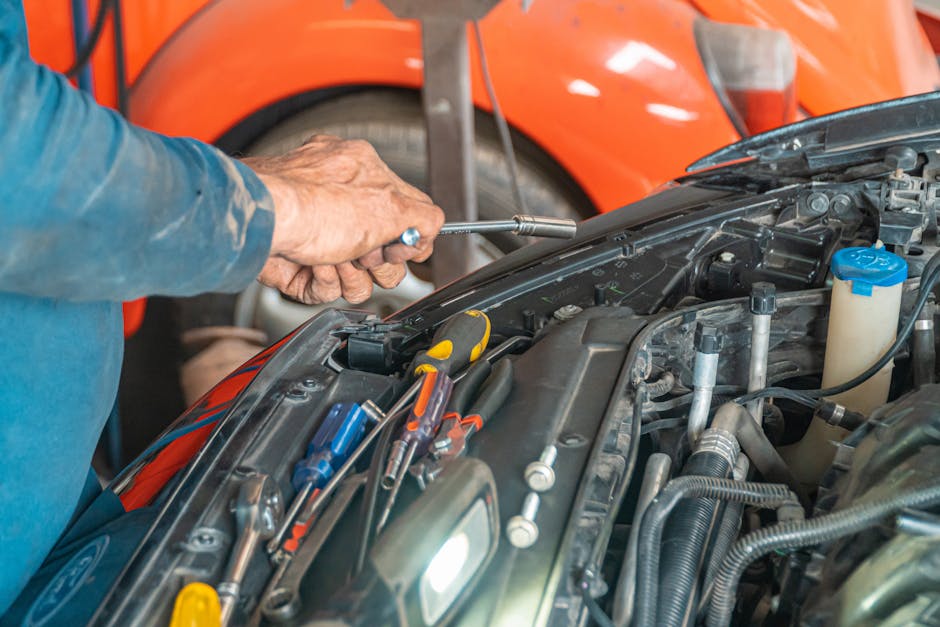
How many customers have you lost because their warranty claim got denied, and you couldn't recover the relationship?
Most dealers treat warranty denial appeals like a compliance checkbox. File the paperwork, wait for the rejection letter, move on. But the real cost isn't the denied claim itself—it's the customer you'll never see again, the negative review they'll leave, and the fixed ops revenue that evaporates when they take their vehicle to a competitor who they perceive will fight for them.
The dealers who get this right understand that a denied warranty claim is actually a second sales opportunity. Instead, a common pattern we see is dealers giving up after the first rejection, leaving thousands in potential revenue and CSI points on the table.
The Quiet Cost of Inaction
Let's ground this in reality. Say a customer brings in a 2019 Toyota 4Runner with 82,000 miles for a transmission diagnostic. The service advisor documents the issue, the technician runs a multi-point inspection, and they discover internal transmission damage. The estimate comes to $4,200 for a rebuild.
The service advisor submits it as a warranty claim. Toyota denies it, citing "lack of maintenance" based on their review. The customer is furious. They expected warranty coverage. Now they're facing a $4,200 bill out of pocket, and their trust in your dealership (and the brand) is shattered.
What happens next?
Option A: Your service director tells the customer "Sorry, warranty denied, here's the estimate," and the customer drives away. Maybe they finance the repair elsewhere. Maybe they abandon the vehicle altogether and buy used from a competitor. Either way, you've lost the opportunity to retain them and you've likely gained a negative online review.
Option B: You appeal the denial with documentation and a clear case strategy. The appeal gets approved. The customer stays, the repair gets covered, their CSI score improves, and they tell their friends about your dealership's advocacy.
The cost difference between these two scenarios isn't just the $4,200 repair. It's the customer lifetime value. How many service visits will that 4Runner need over the next five years? How many friends will they recommend you to, or not recommend you to?
This is where most dealerships leak opportunity.
Why Appeals Actually Get Approved (When Done Right)
Warranty carriers don't automatically deny claims out of spite. They deny them because the documentation doesn't support coverage, or the case was presented weakly.
Here's what actually moves a denial to approval: evidence that contradicts the denial reason.
Say the manufacturer cited "lack of maintenance." Your appeal needs to prove otherwise. Service records showing regular oil changes, transmission fluid services, and inspections. Customer maintenance receipts. Your dealership's multi-point inspection records showing the vehicle was in acceptable condition before the failure.
Or the denial cited "non-manufacturer parts." Your technician's notes need to document exactly what failed and prove it was OEM or equivalent. Photos help. A detailed RO that shows the technician's diagnostic thinking—not just "transmission broken",makes a massive difference.
The manufacturers review appeals differently than initial claims. They have dedicated appeal teams. If your first submission was weak, a second submission with stronger documentation actually has a real chance. But only if someone at your dealership owns that process.
Building a Warranty Appeal Workflow (Not Another Task)
Step 1: Flag Denials Immediately, Don't Wait for Rejection Mail
The moment a claim denial comes through (whether email, portal, or letter), your service director or a designated team member needs to log it. Not next week. That day.
Why? Because the appeal window is typically 30 days from the denial date. Waiting around costs you time you don't have. Also, the customer's memory is fresh,if you're going to reach out and ask for additional documentation, now is when they'll respond fastest.
And yes, this means someone has to actively monitor warranty portals. It's not glamorous. It's also non-negotiable if you want to recover these deals.
Step 2: Categorize Denials by Appealability
Not every denial is worth appealing. A customer who ignored multiple warning lights and let their engine overheat probably shouldn't get that engine covered. Your appeal would fail, and you'd waste time.
Instead, use a simple filter. Ask yourself: Does the denial reason conflict with evidence we have? Can we document maintenance? Is the diagnosis clear and supported by tech notes?
If the answer is yes to two or more of these, it's worth appealing. If the customer ignored every warning sign in the manual, it probably isn't.
Step 3: Assign Ownership to One Person (Service Director or Advisor)
This is critical. If warranty appeals are "everyone's responsibility," they're nobody's responsibility. One person owns the appeal workflow, from flagging to documentation to submission to follow-up.
That person needs access to the RO history, the multi-point inspection records, the service advisor's notes on what the customer told them, and the technician's diagnostic write-up. They need to see the entire vehicle history at a glance, not hunt through three different systems.
This is exactly the kind of workflow Dealer1 Solutions was built to handle,a single view of every vehicle's service history, inspection records, and RO details so your appeal owner doesn't spend an hour reconstructing what actually happened.
Step 4: Build the Appeal Case Like You're in Court
The appeal submission isn't a casual email. It's a legal document arguing why the denial should be reversed.
Start with a summary: "We are appealing the denial dated [date] for claim [number] on the basis that [specific reason]. Our documentation supports coverage."
Then attach your evidence in order:
- Service records showing maintenance history (if maintenance was cited)
- The RO with technician's diagnostic notes and findings
- The multi-point inspection report documenting the vehicle's condition at the time of service
- Photographs of the failed component if available
- Your response to each reason cited in the denial (point-by-point)
- Any customer communication showing they reported the issue promptly
Don't editorialize. Just present facts and let the evidence speak.
Step 5: Follow Up Strategically
After submission, don't assume silence means denial. Warranty carriers take 10-30 days to review appeals. Call the claim department on day 15 and ask for status.
Be professional but persistent. "I'm following up on appeal [number]. Can you tell me what stage of review it's in and if you need any additional documentation?"
Sometimes a single follow-up call moves an appeal from the "review later" pile to active review.
The CSI and Retention Multiplier
Here's the thing people don't talk about enough: A customer whose warranty was denied and then you fought to get it approved will tell everyone about it.
They'll mention it on Google. They'll bring it up in surveys. When their family asks where to service their vehicle, they'll remember that you didn't just accept the denial,your team actually advocated for them.
Conversely, the customer whose claim was denied and your dealership shrugged? They're telling a very different story online.
Tools like Dealer1 Solutions give your team a single view of every vehicle's status, so your service advisor can tell the customer "We're appealing this, here's what we're submitting, and here's why we think we'll win." That transparency alone shifts the conversation from "You won't cover my repair" to "We're fighting for you."
One Honest Caveat
Some denial reasons are legitimately unappealable. A customer who took their vehicle to an independent shop and had non-OEM parts installed, then expects manufacturer warranty coverage,that's not getting reversed, and trying to appeal it wastes everyone's time and erodes your credibility with the warranty carrier for future cases.
The appeal strategy only works if you're selective and honest about which cases have merit. If you submit frivolous appeals, the carrier stops taking your appeals seriously.
The Actual Opportunity
The gap between dealerships that lose customers to warranty denials and dealerships that retain them through strategic appeals is usually not about luck.
It's about process. One dealership has someone monitoring denials and flagging appealable cases. The other doesn't. One dealership submits appeals with solid documentation. The other submits a form and hopes. One dealership follows up. The other doesn't.
That difference, compounded across 10 or 20 denied claims per year, is the difference between a service department that hemorrhages customers and one that retains them.
The question isn't whether you can afford to implement a warranty appeal process. It's whether you can afford not to.