Windshield Wiper Maintenance: The $40 Fix That Saves You $1,000
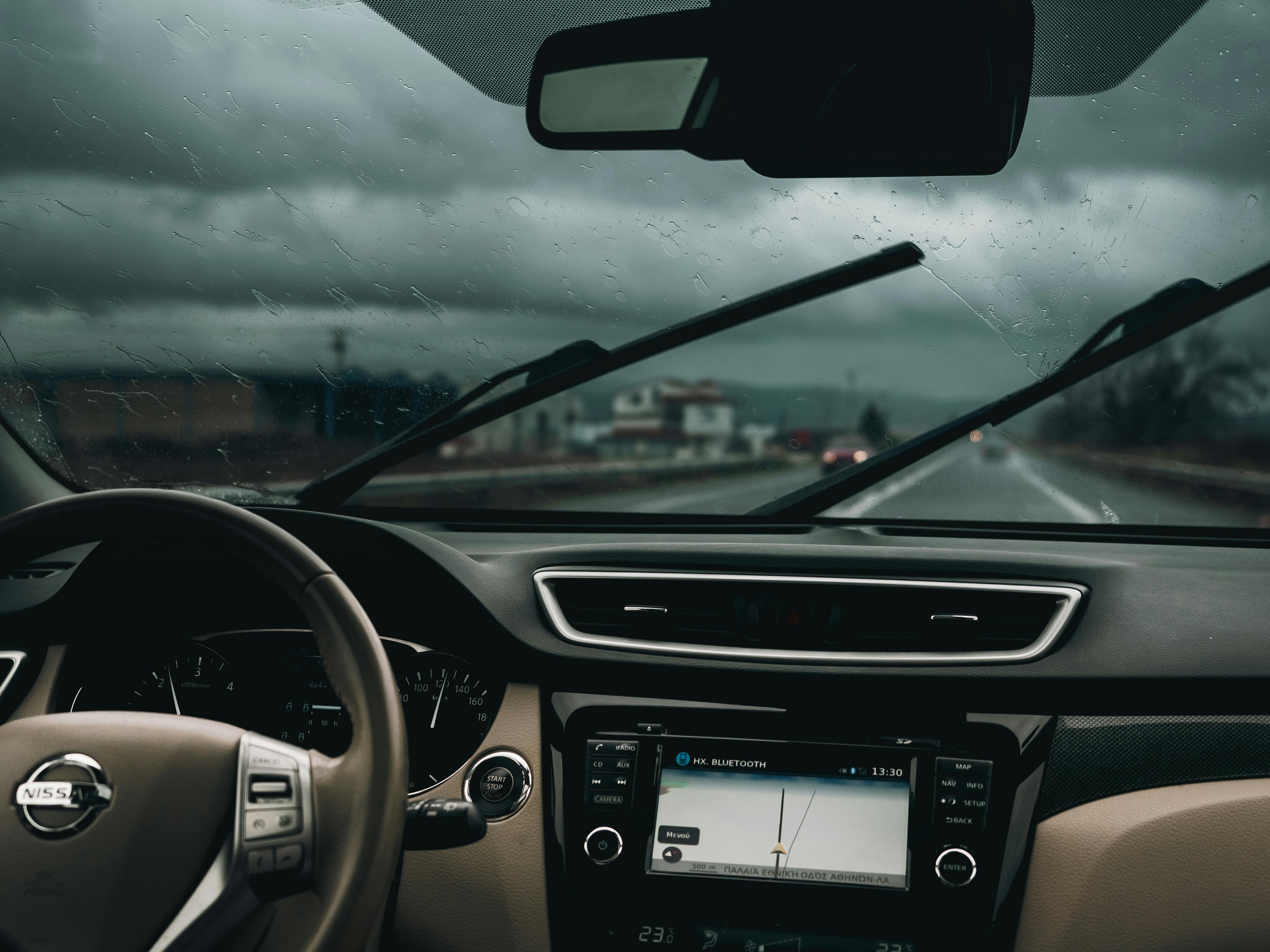
Nearly 62% of drivers ignore their windshield wipers until they completely fail on the freeway. That's not just annoying—it's dangerous, and it costs money you don't need to spend.
Here's the thing about wiper maintenance: it's the easiest, cheapest preventive maintenance task a car owner can do, yet it's also the most neglected. Most people don't think about their wipers until they're streaking across the windshield during a Southern California downpour (remember those?), squirting brown water and rubber particles instead of actually clearing the glass. By then, you're either pulling over to clean them with your sleeve or scheduling an emergency service call. Neither option is ideal.
The real problem isn't the wipers themselves. It's that nobody talks about them.
Why Wipers Matter More Than You Think
Your windshield wipers aren't just a convenience feature. They're a safety component. A mechanic will tell you that visibility is one of the three pillars of safe driving, along with braking and steering. When your wipers fail, all three get compromised because you can't see where you're going.
And here's where the money angle kicks in: replacing wipers early, before they deteriorate, costs between $20 and $60 per pair depending on your vehicle type and blade quality. Most people drive on bad wipers for months, which damages the windshield itself.
A windshield replacement? That's $300 to $1,000, depending on your vehicle and whether it has sensors or a heads-up display (and yes, modern cars charge extra for those features).
So spending $40 on quality wipers every 6 to 12 months is basically the definition of cheap preventive maintenance.
The Lifecycle of a Windshield Wiper Blade
What Actually Happens Over Time
Wiper blades wear out faster than most people realize. The rubber compound that makes contact with your windshield hardens under UV exposure, temperature swings, and constant friction. Southern California drivers especially—we get intense sun, salt air if you're near the coast, and that weird mix of marine layer and desert heat that ages rubber fast.
A fresh blade glides smoothly across the glass with even pressure. After a few months, the rubber starts to crack and stiffen. The edges fray. The blade loses its seal, and water starts leaking around the edges instead of being pushed off cleanly. This is when you get that annoying streak down the middle of your windshield. (I had a friend, Marcus, drive with streaking wipers for three months because he thought it would cost $200 to fix,he was shocked when I showed him it was literally a five-minute DIY job at AutoZone for $25.)
Keep ignoring it, and the hardened rubber starts to scratch the glass itself. Now you've got microscopic gouges in the windshield that catch light and create glare. Visibility gets worse. And that windshield replacement I mentioned? Yeah, that's coming soon.
The Mechanic's Perspective
Ask any mechanic about preventive maintenance, and they'll rattle off the usual suspects: oil changes, tire rotations, brake pad inspections. But talk to them off the record, and they'll tell you that windshield wipers are the thing they see customers neglect most. And it costs those customers real money.
Here's why mechanics care: when you come in for your vehicle service and they spot bad wipers, they'll mention it. A good one won't push you to buy their branded blades at a 200% markup. But many will. And many customers will say, "I'll do it later," and then never do.
The smart move is to replace them yourself on your own schedule, not the service manager's sales schedule.
When to Replace Your Wipers (and How to Tell)
Most manufacturers recommend replacing wipers every 6 to 12 months. That timeline changes if you live somewhere with brutal weather. If you park under trees, you're dealing with sap and pollen buildup that accelerates wear. If you live in a hot, sunny climate like ours, UV damage speeds up the process.
Here are the signs you need new ones right now:
- Streaking or smearing on the windshield instead of clean passes
- Chattering or squeaking sounds when the wipers are on
- Visible cracks, splits, or separated rubber on the blade
- Wipers that skip patches of glass instead of covering it completely
- Water pooling at the edges of the blade path instead of being pushed off
If you see even one of these signs, it's replacement time. And it's a five-minute job that doesn't require a mechanic.
DIY vs. Professional Installation (The Budget Breakdown)
This is where you save real money. A professional windshield service or dealership will charge you $15 to $40 labor just to install wipers that cost $15 to $50 themselves. That's doubling your cost for something you can do in your parking lot.
Here's the honest take: if you can change wipers yourself, do it. Auto parts stores like AutoZone, O'Reilly, and NAPA will install them for free if you buy from them. No labor charge. That alone saves you $20 to $40 per replacement.
And the installation really is simple. Most modern wipers use a hook-and-slot design that takes 30 seconds to remove and replace. Your car's manual shows you the exact process, or there's a YouTube video with a million views showing exactly how.
The only time you might need professional help is if you have a weird wiper arm design (some luxury vehicles do) or if you're uncomfortable reaching across the windshield.
The Bigger Picture: Preventive Maintenance Saves Money
Windshield wipers are just one piece of the preventive maintenance puzzle. But they're the perfect example of how spending a little money early saves you a lot later.
The same logic applies to brake pads, air filters, tire rotations, and fluid checks. Your vehicle is a system. Components fail in sequence. Neglect one small thing, and it stresses the next thing, which stresses the next thing. Before you know it, what started as a $40 wiper replacement becomes a $1,000 windshield replacement plus possible suspension work if you've been driving blind and hit something.
So add "check wipers" to your maintenance schedule. Make it a quarterly thing. Every three months, walk around your car and look at the blades. If they look worn, grab a new pair and swap them out. It'll take less time than waiting in a Starbucks line.
And yes, that actually is money in your pocket.
The Takeaway
Windshield wiper maintenance is the easiest win in auto repair. It's cheap. It's preventive. It's something you control. And ignoring it costs way more than addressing it ever will.
Don't be the person pulling over in the rain because their wipers don't work. Replace them on your schedule, not on the side of the freeway.